


MOLD Inspection
& Moisture Assessment
Detailed Particle Cleaning
What We Do


Pre-Purchase
MOLD Inspection
Professional MOLD
Remediation
How We Work
Professional remediation based on IICRC standards and performed in compliance with applicable building codes.
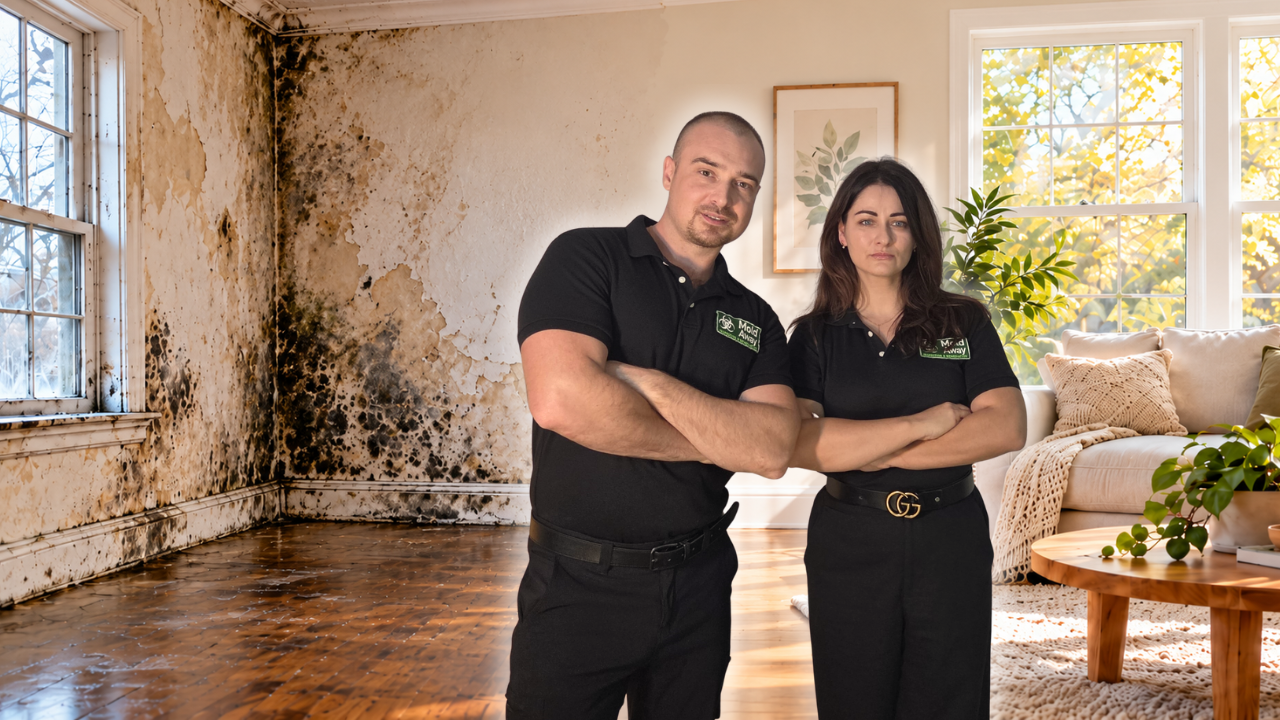
Mold Away is a family-owned company based in Minnesota, specializing in mold inspection, professional mold remediation, and property restoration.
We use professional equipment, HEPA filtration, containment systems, and remediation methods informed by IICRC S520 industry standards.
Making America healthier, one home at a time.
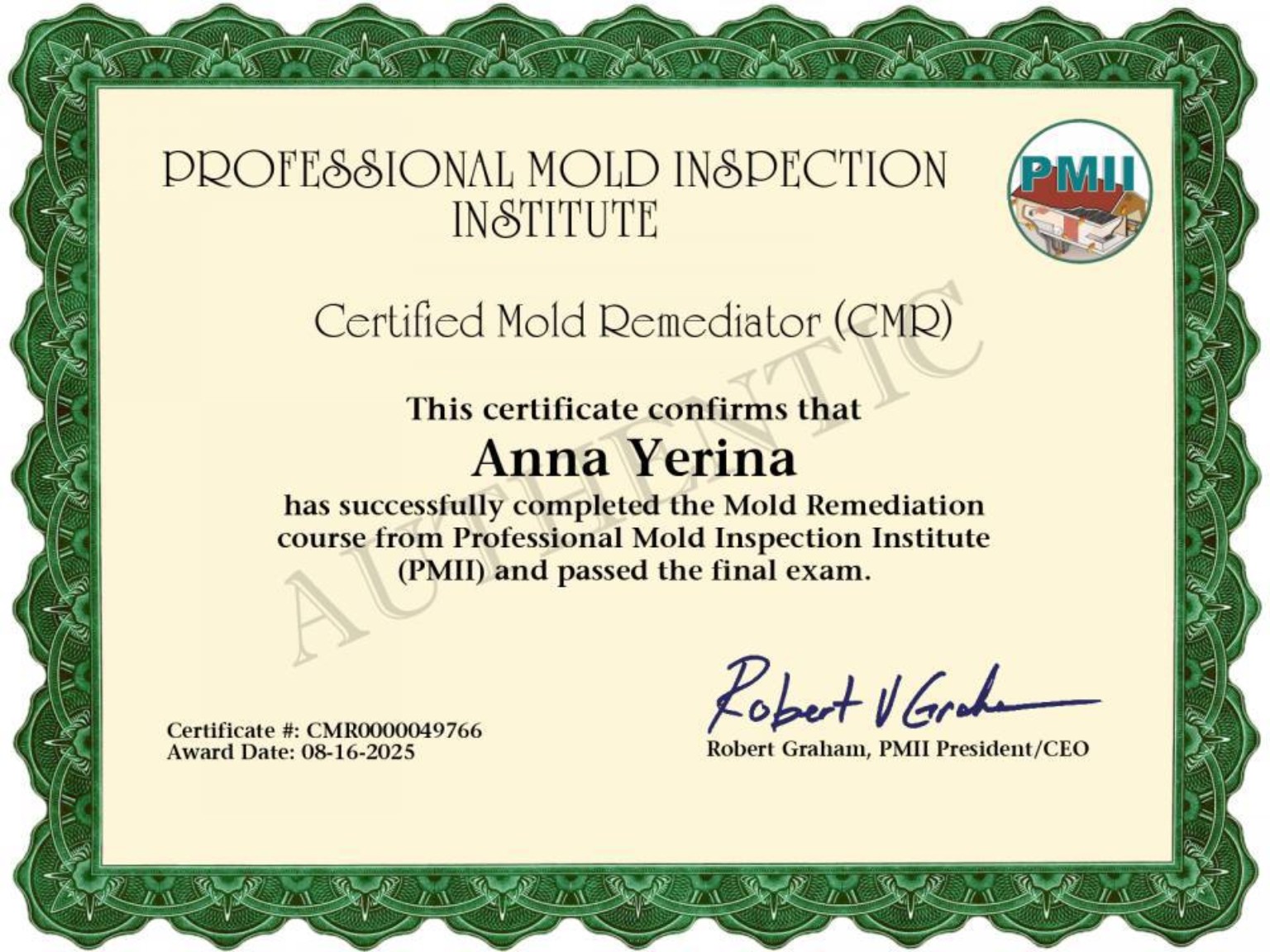
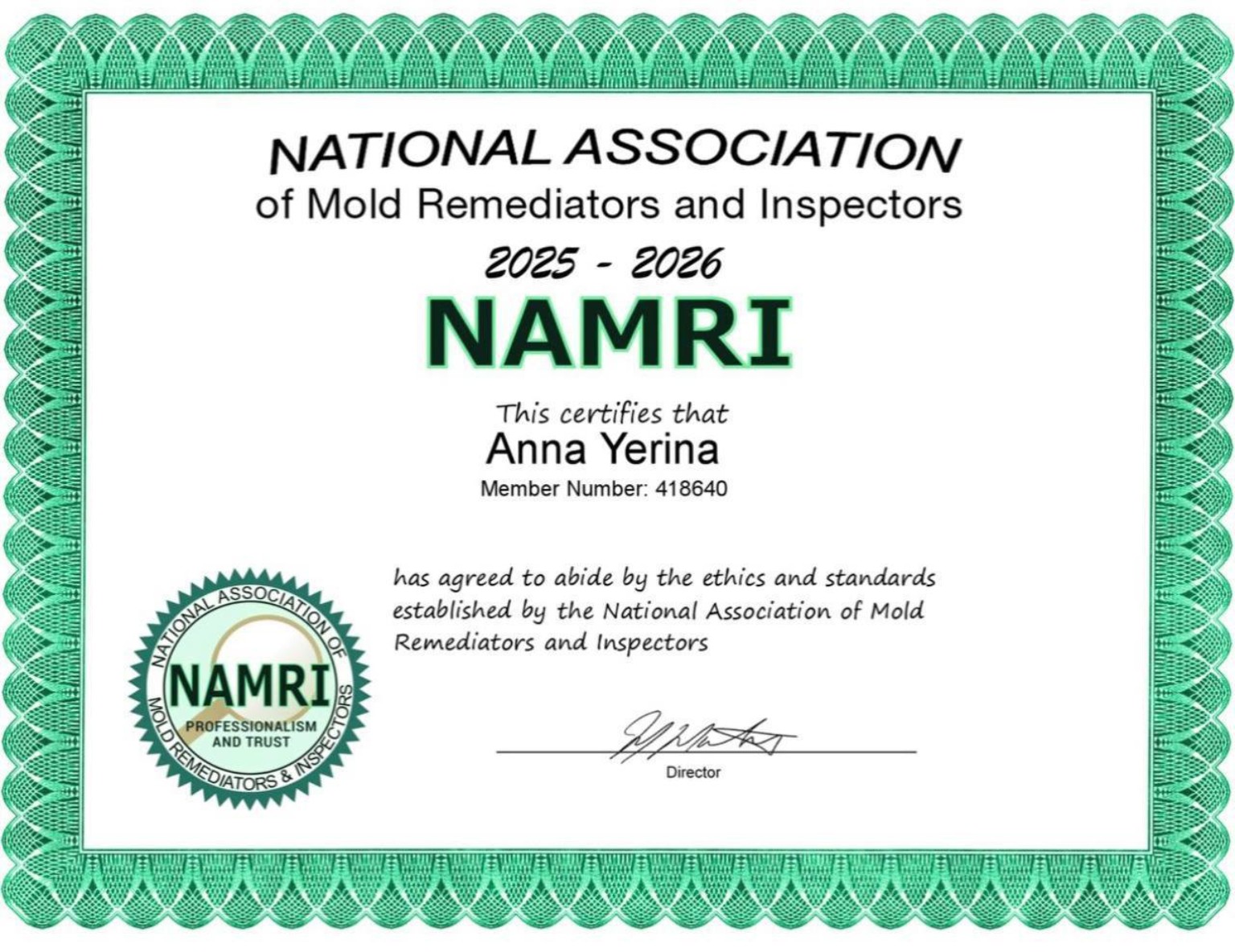
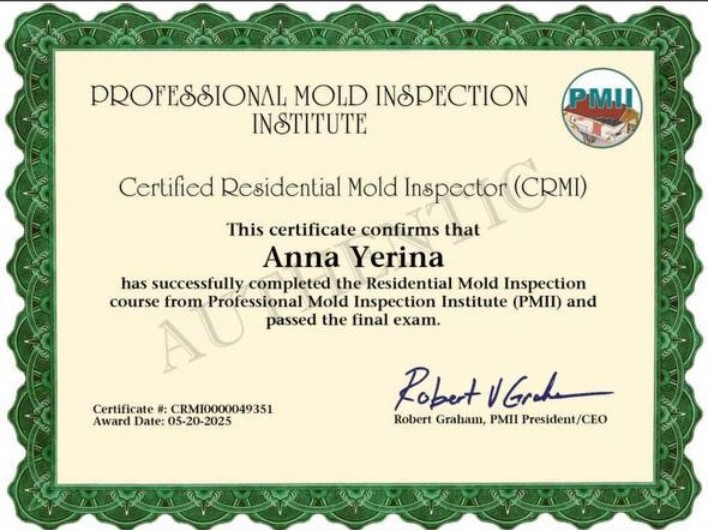
Certified. Insured.
Experienced in Remodeling & Restoration.
Co-founder Anna Yerina is the author of Hidden Mold in Your Future Home, a practical guide helping homeowners and homebuyers recognize hidden moisture and mold problems before purchasing a property.
About Us


Why Homeowners
Choose Mold Away

Advanced Tools & Methods

Safe & Responsible Solutions

Certified
& Insured

Honest & Transparent Service
FAQ
What Are Mold Spores? Mold spores are tiny particles that travel through the air and can spread to other areas of the home.
What is containment during mold remediation? Containment is a controlled work-area separation designed to limit the movement of mold-contaminated dust and debris into unaffected areas. Depending on project conditions, it may include polyethylene barriers, sealed openings, and HEPA-filtered negative-air equipment.
What Is Negative Pressure? Negative pressure keeps air flowing into the work area instead of letting contaminated air escape into the home.
Is mold testing always necessary? Not always. Visible mold growth and moisture damage can often justify corrective action without laboratory confirmation. Testing may be useful when additional information is needed to investigate concealed conditions, characterize airborne or surface contamination, or support a specific assessment objective.
How do you determine whether remediation was successful? Post-remediation evaluation may include visual inspection, moisture assessment, checking for residual dust or debris, and sampling when justified by project objectives. Independent post-remediation verification may be appropriate to provide an additional level of assurance.
What are mycotoxins? Mycotoxins are substances produced by certain molds under particular conditions. Some may be associated with contaminated dust or materials. Their presence cannot be reliably determined by visual inspection alone, and specialized laboratory analysis may be used for specific investigative purposes.
What is detailed particle cleaning? Detailed particle cleaning is a systematic environmental cleaning process intended to remove settled particulate contamination from accessible surfaces. It may include HEPA vacuuming, detailed surface wiping, and multiple cleaning passes based on site conditions. It is not equivalent to ordinary residential cleaning.
Can mold simply be painted over? No. Painting over mold does not remove contamination or correct the moisture conditions that allowed it to grow. Contaminated materials must be properly evaluated and cleaned or removed as appropriate before any suitable coating is considered.
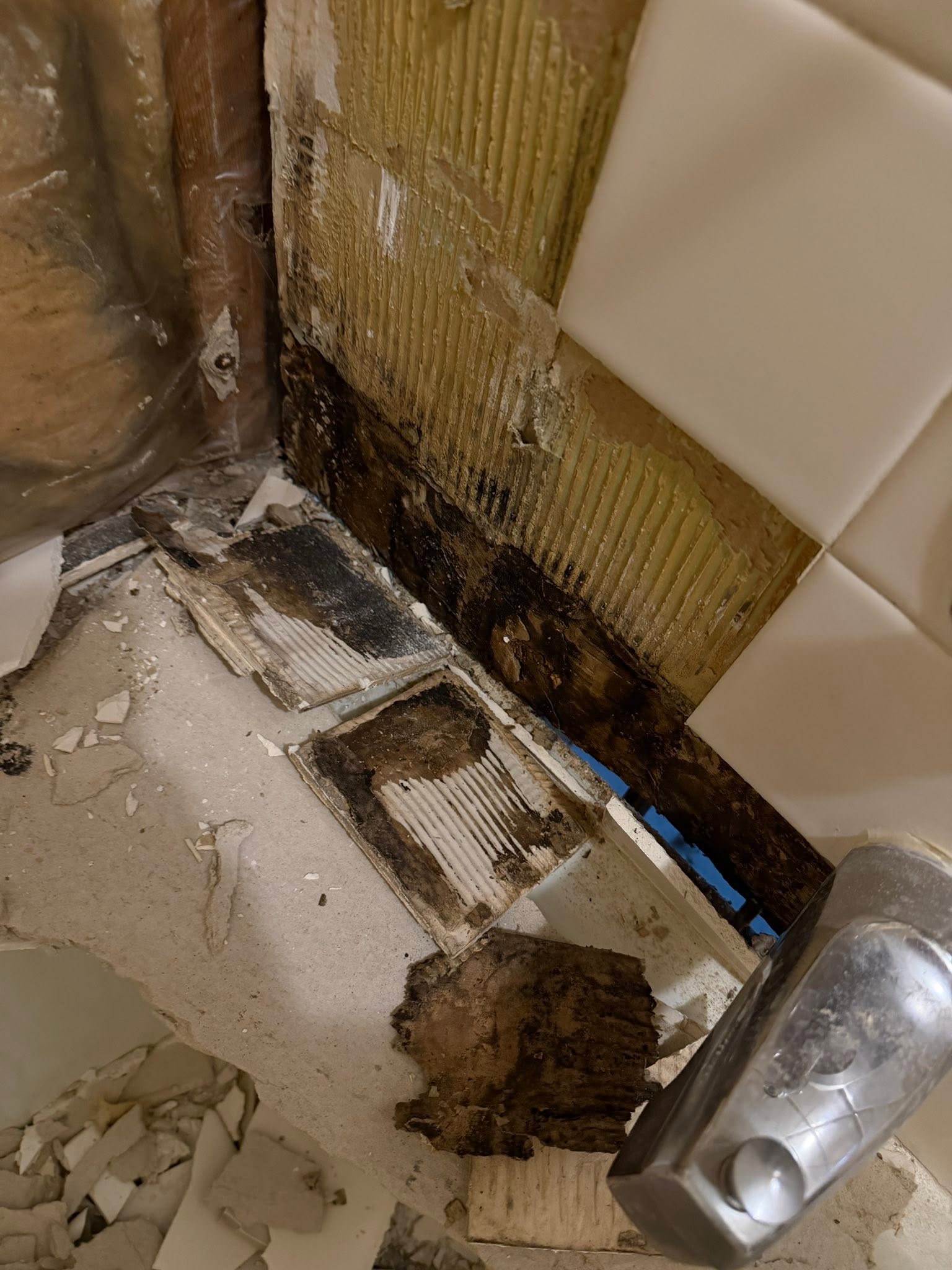
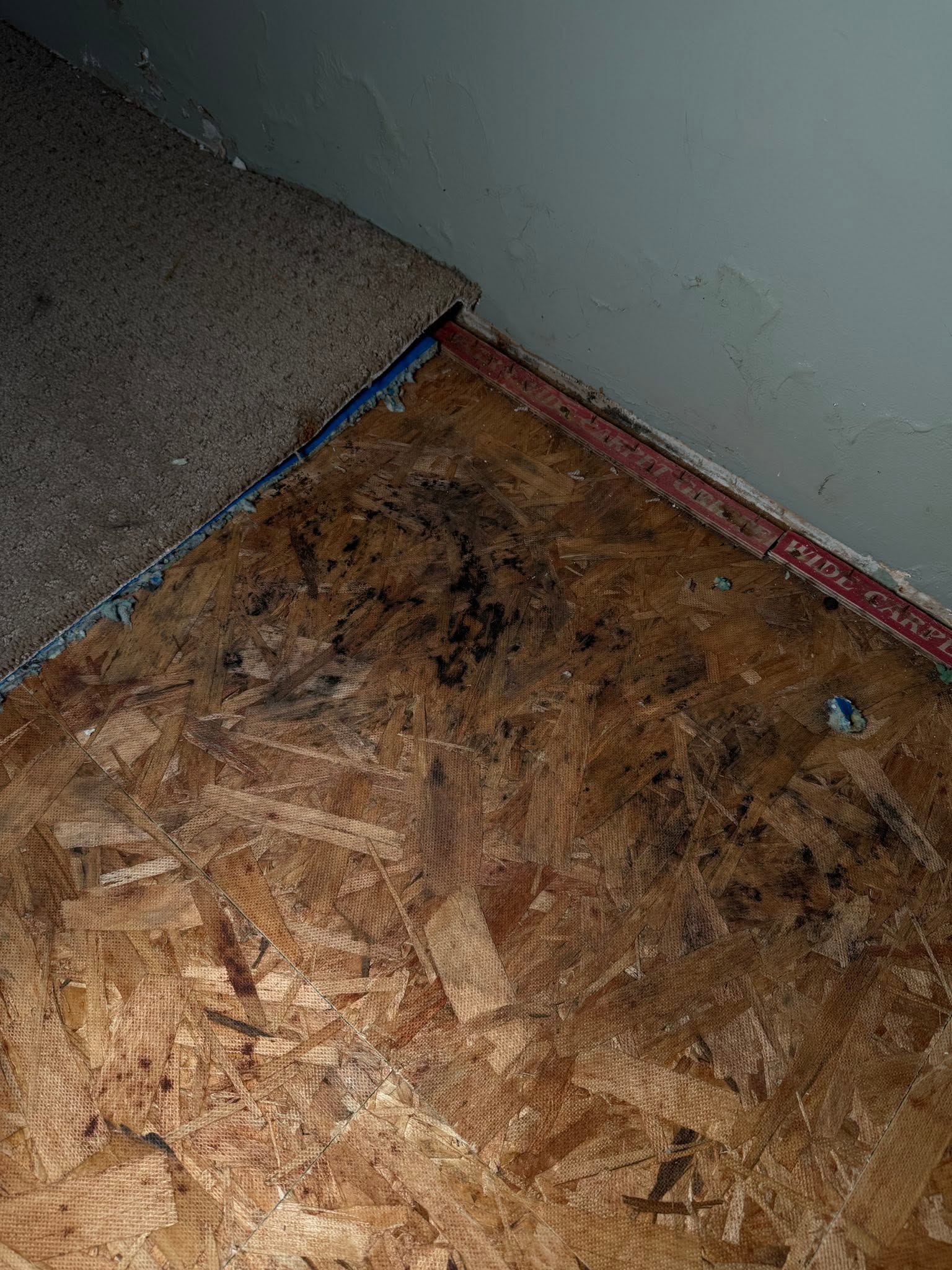
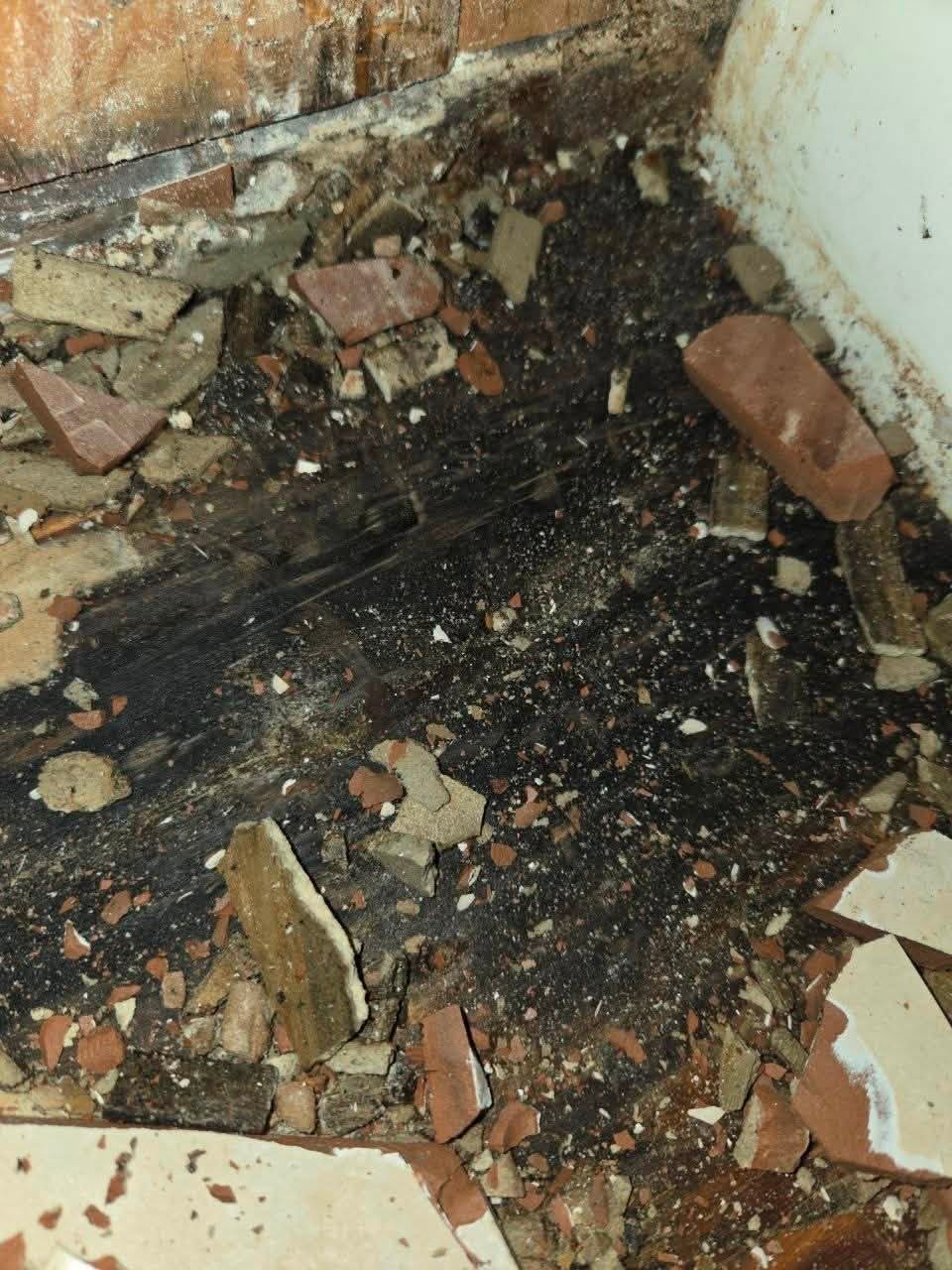
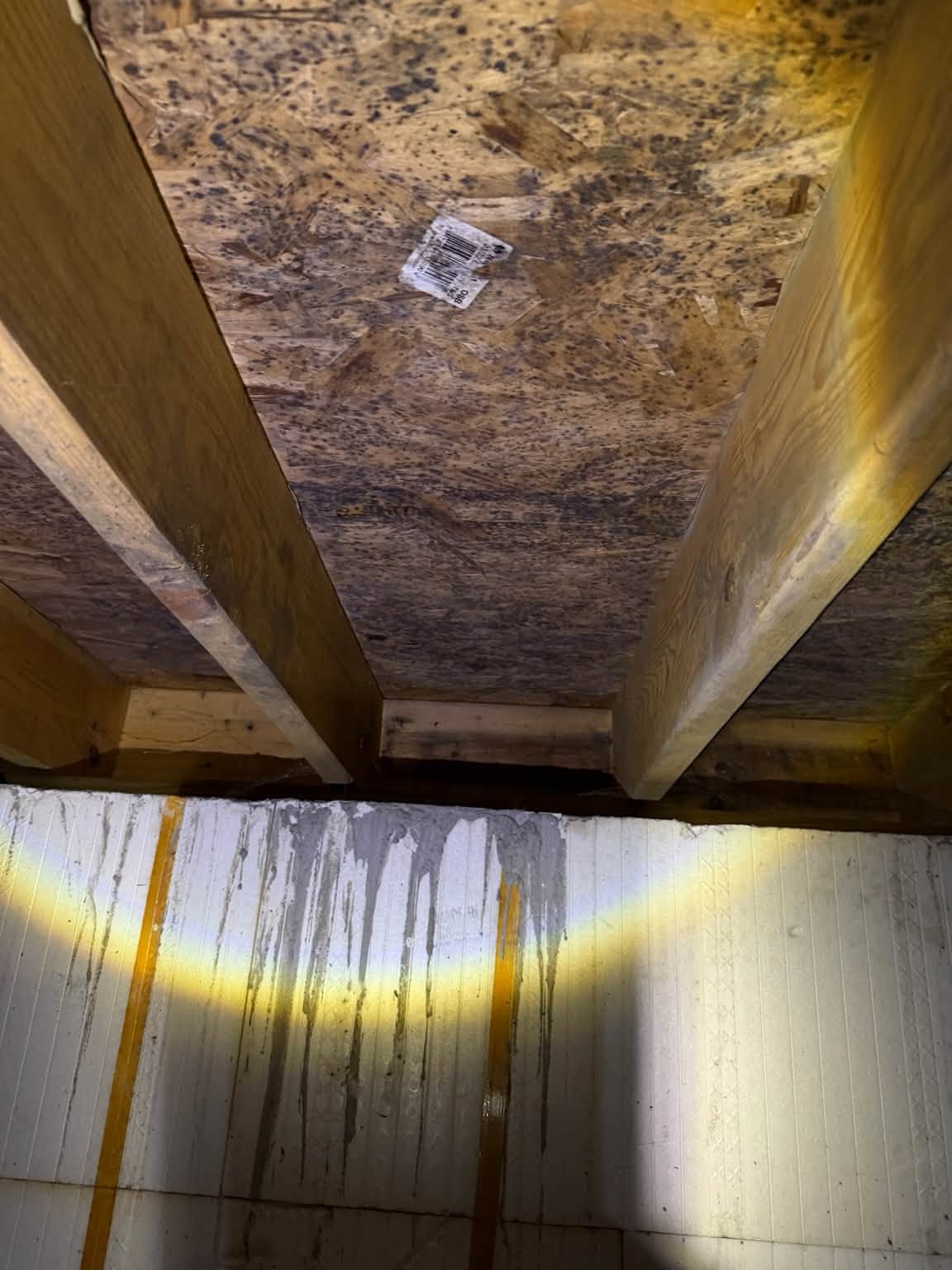
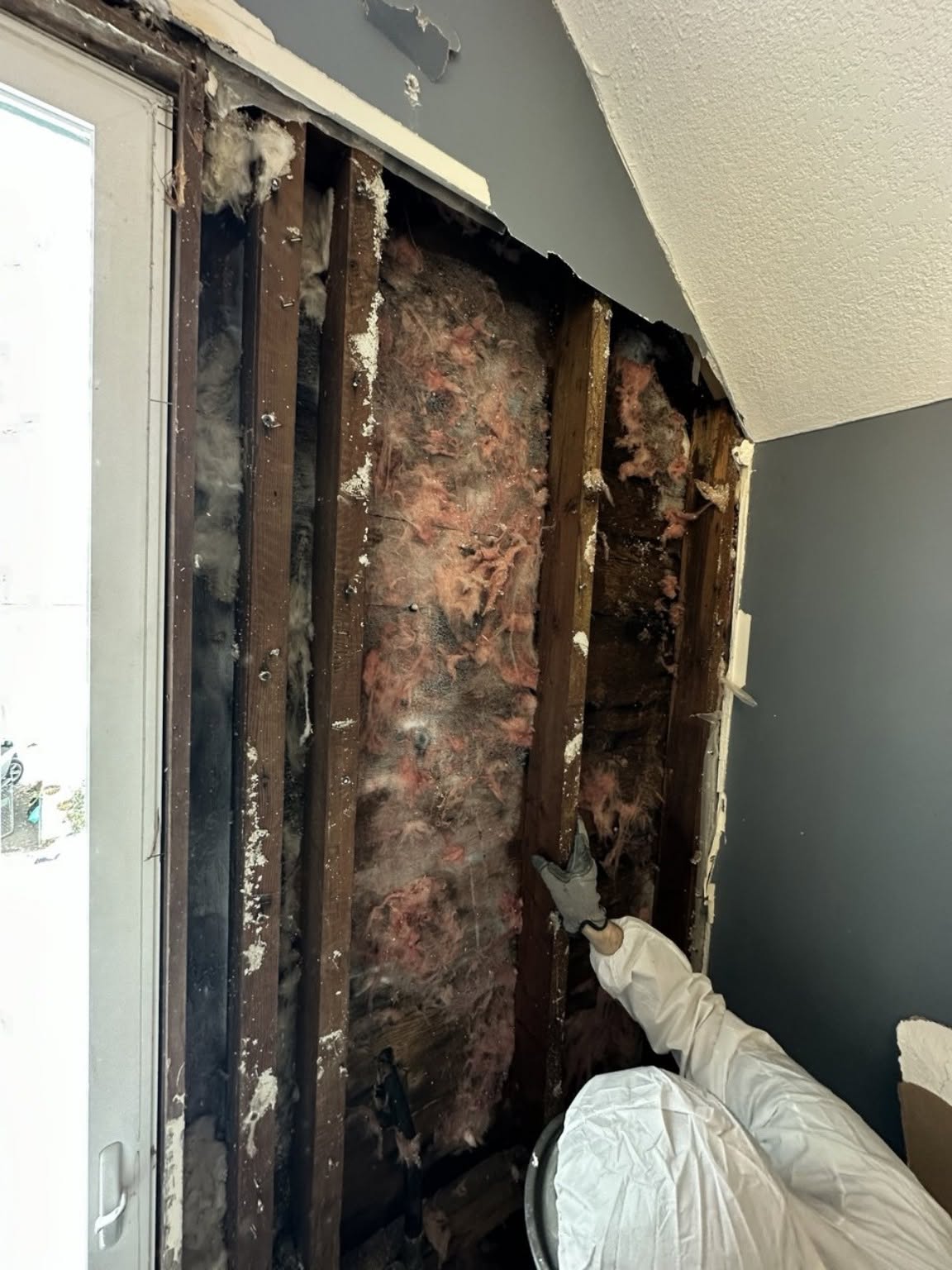
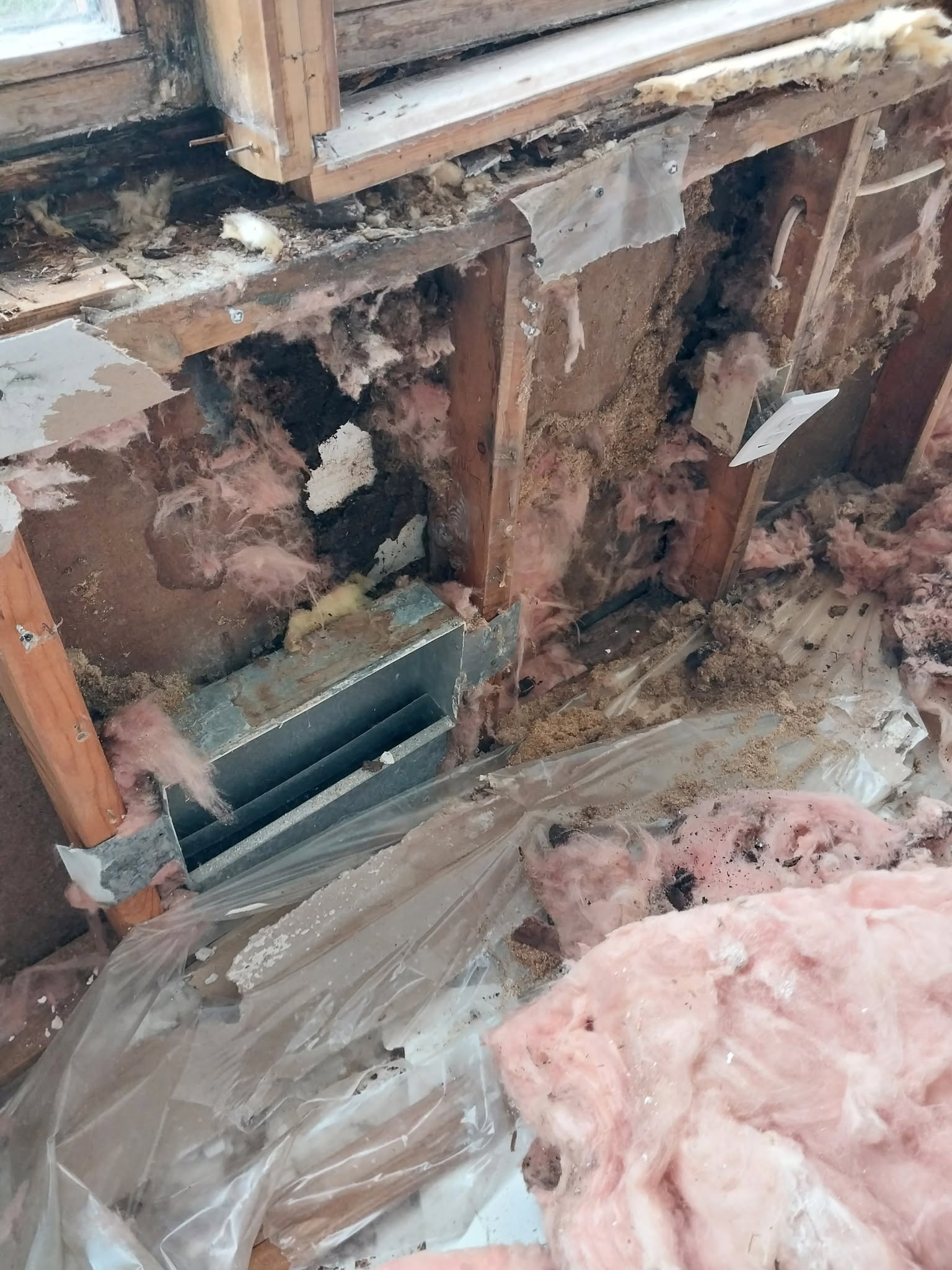
Can mold be present without visible growth? Yes. Mold can develop behind drywall, beneath flooring, inside wall cavities, and in other concealed areas where moisture is present. A professional assessment considers moisture conditions, building history, and other indicators—not just what is visible.
CONTACTS